


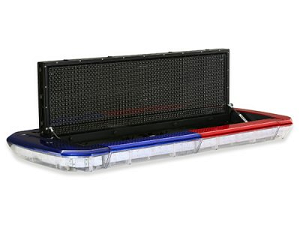
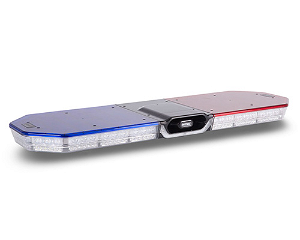
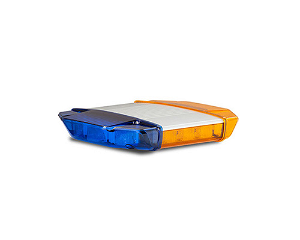
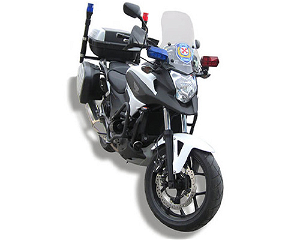
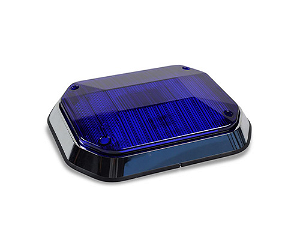
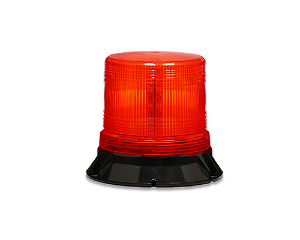
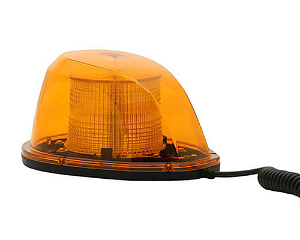
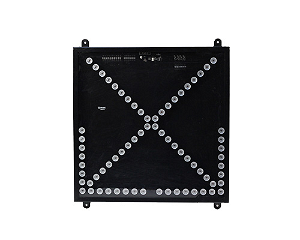
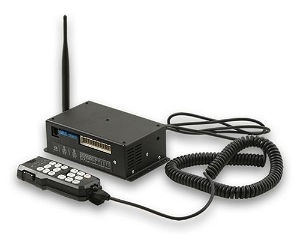
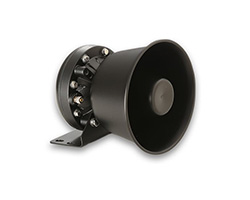
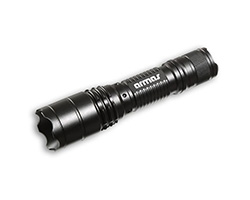
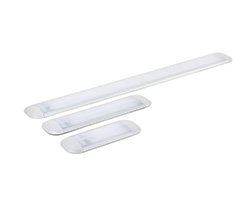
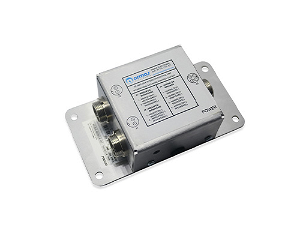
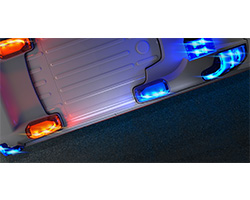
Today's emergency vehicles are getting more and more sophisticated and technological. However, there are some basic systems these tools need to operate effectively and efficiently. One of these systems is Light Warning and Siren Systems.
As ARMAS, we produce High quality and International Standard Lighting Warning and Siren Systems for emergency vehicles. These systems we produce draw attention with their stylish designs as well as their durability and high performance features. In this way, emergency vehicles are optimized both functionally and visually.
In addition, we design our products to be suitable for both indoor and outdoor use. This provides flexibility and variety to our users. In addition, thanks to our innovative functions, we can better understand the needs of our users and produce solutions for these needs.
ARMAS adds a different perspective and dynamism to the market with these high quality Illuminated Warning and Siren Systems offered to the world market. The quality and functionality of our products are appreciated by our customers, which motivates us to always do better.
Our aim is to produce the best Light Warning and Siren Systems for emergency vehicles, thus making life easier for our users and increasing the general safety of the society. We will continue to work with this vision in the future and to offer innovative solutions to the industry.
How to Specify the Right Warning System for Your Vehicle
Emergency vehicle lighting is rarely a single product decision. Lightbars, auxiliary warning lights, sirens and speakers work as one system, and the right specification starts with the vehicle and its mission rather than with a catalogue. A first-response unit and a highway maintenance truck need different visibility patterns, different mounting and different equipment layouts.
Three questions shape most specifications: What duty does the vehicle perform? Will the equipment stay on the vehicle permanently, or be fitted only when required? Is audible warning — siren and public address — needed alongside the lighting?
| Vehicle type | Primary requirement | Relevant product family |
|---|---|---|
| Emergency response (police, ambulance, fire) | 360° visibility plus audible warning | Lightbars with siren and PA systems |
| Unmarked or dual-role vehicle | Fit and remove as required | Magnetic mini warning lights |
| Highway maintenance, recovery, plant | Durability under long working hours | Beacons and traffic advisors |
| Compact vehicles, restricted mounting area | Low profile, limited space | Mini lightbars and mini warning lights |
| Motorcycles | Weight and space constraints | Motorcycle warning systems |
| Traffic direction and lane closure | Directional information | Message panel and arrow-pattern units |
Mounting and Power Considerations
Mounting is often decided before the product itself. Bolt-down and feet-mounted installation suits vehicles where equipment remains permanently fitted, and is the most stable option against vibration. Magnetic mounting comes into its own where equipment moves between vehicles or is fitted only for specific duties — the trade-offs are covered in our article on magnetic beacons.
Supply voltage follows the vehicle: passenger cars and light commercials typically run 12V, while heavy commercial vehicles and buses run 24V. Mixed fleets benefit from products that accept both, which simplifies stockholding and installation planning. Voltage range and ingress protection for each product are listed in the technical specification table on its product page.
IP rating is the standard notation for resistance to dust and water ingress. It is decisive for equipment mounted externally and exposed to weather, and less critical for interior products. Our comprehensive lightbar selection guide walks through the decision step by step.
Frequently Asked Questions
Which warning light colours may we fit to our vehicles?
Colour use and which vehicles may operate which warning systems are set by national traffic regulations, and these differ between countries. Confirm the permitted configuration for your vehicle class with the competent authority in your market; once your duty profile is clear we can identify the suitable product family together.
What is the difference between 12V and 24V, and which do we need?
Passenger cars and light commercial vehicles generally use a 12V electrical system, while heavy commercials and buses use 24V. The vehicle's system voltage must match the supply range of the selected product. In mixed fleets, dual-voltage products simplify stock and installation management.
Should we choose magnetic or permanent mounting?
If equipment stays on the vehicle, bolt-down or feet mounting is the most stable choice. If it moves between vehicles or is fitted only for specific duties, magnetic mounting is preferable. The decision follows the vehicle's operating pattern rather than the product.
Do we need siren and PA alongside the lighting?
Combining visual and audible warning is standard practice on emergency response vehicles. Lighting provides visibility; the siren and public address system provide audible warning and, where needed, spoken direction. Planning both together is also more efficient for installation and wiring.
Can systems be configured for our specific vehicles?
Yes. Because ARMAS Elektronik handles design and manufacturing in-house, configurations can be developed for particular vehicle types and duty profiles, including OEM programmes. Send your requirement through our contact page.
